Why we switched our fix to alkaline (and why you probably should too)
14 June 2026
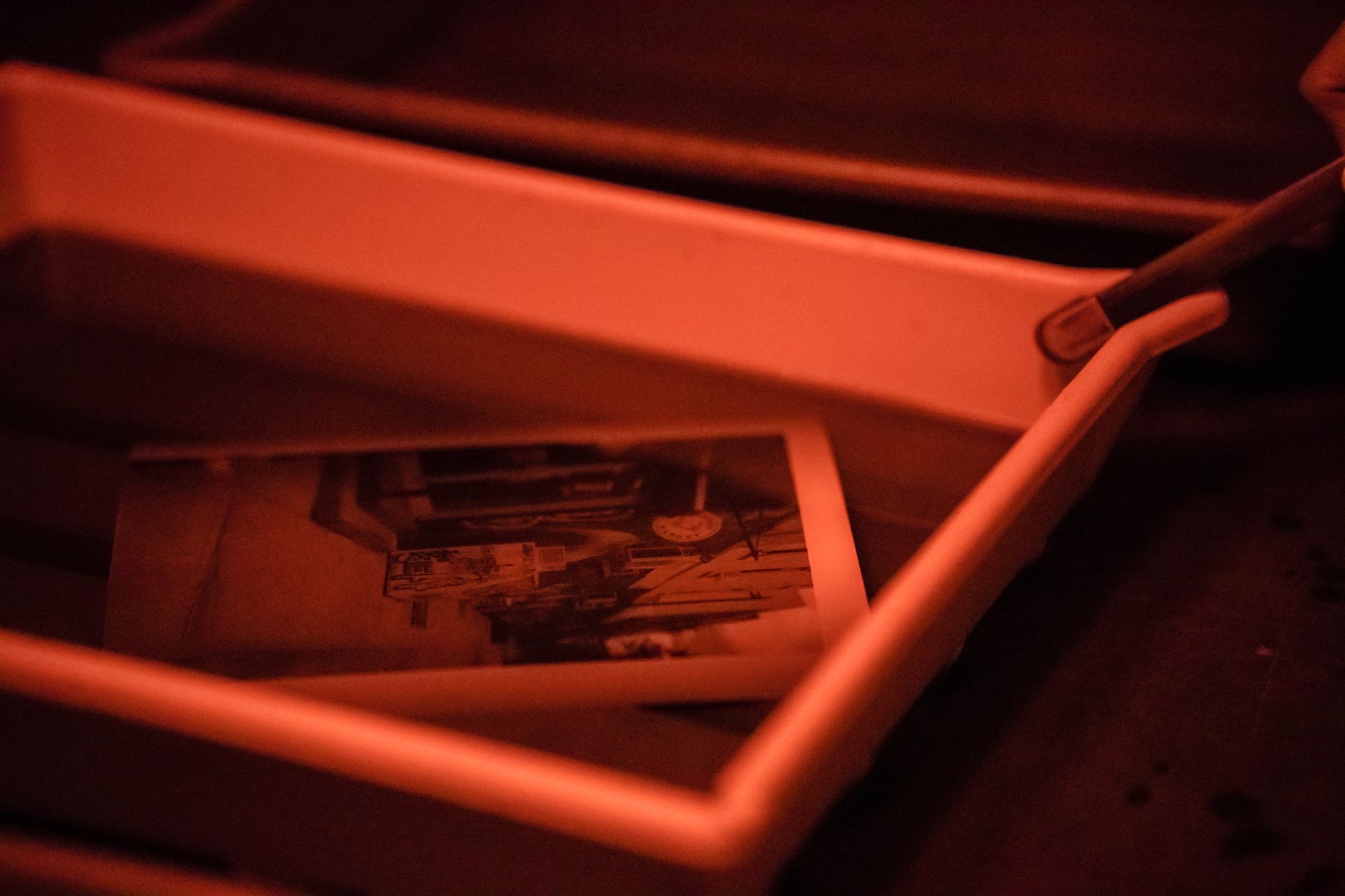
For years the fixer on our sink line was a standard acid rapid fix, because that's what everyone buys. Last spring we switched the whole darkroom to an alkaline fixer, and after several hundred films and a lot of prints we're not going back.
Why bother?
Three reasons made the case for us:
- Capacity and wash times. Alkaline fixer washes out of fibre paper dramatically faster. We've cut our fibre wash from an hour to around twenty minutes with a hypo-clear bath, which on a busy print night means the drying line actually empties.
- Kinder to hands and noses. No acetic acid means no vinegar fog hanging over the sink and less complaint from anyone with sensitive skin. The room smells noticeably better since the switch.
- Staining processes play nicely. Several of us develop in PMK Pyro, and an acid fix strips the image stain that's half the point of a staining developer. Alkaline fix preserves it.
What changed in practice
Our routine barely moved: film gets five minutes with intermittent agitation, prints get two baths of ninety seconds each. We test monthly with a clip of undeveloped film — clearing time is still under a minute in fresh solution, and we discard at twice the fresh clearing time, same as always.
The one genuine downside: it costs a little more per litre and you won't find it in every camera shop, so we bulk order for the whole collective twice a year. Split eleven ways, the difference buys everyone about half a coffee a month. We can live with that.
If you run your own tank at home, try one bottle. Your negatives won't look different — your evenings will just get shorter in all the right places.